


Emerging Trends in Health Consumerism: Transforming the Patient-Provider Relationship
The healthcare industry is experiencing a profound transformation. Patients are no longer passive recipients of care; they have evolved into active consumers demanding transparency, convenience, and personalized experiences. This phenomenon, known as health consumerism, is redefining the traditional patient-provider relationship and revolutionizing the industry. Understanding and leveraging this trend is crucial for driving innovation and improving patient outcomes. Additionally, integrating sustainability and environmental considerations into health consumerism ensures a holistic approach to modern healthcare.
Rising Healthcare Costs and Waste
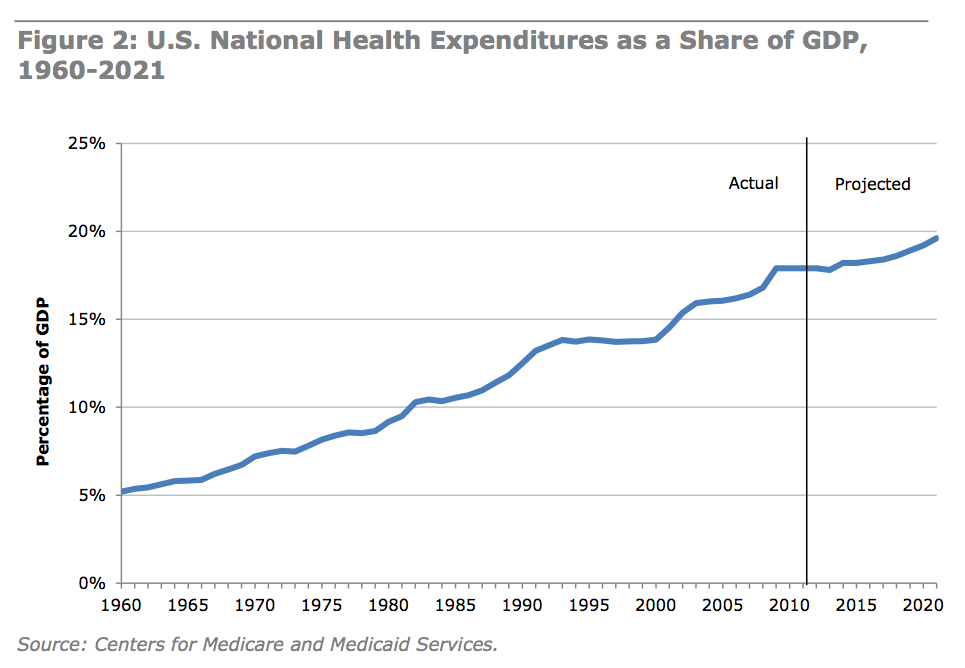
Healthcare costs are skyrocketing. In the United States alone, healthcare expenditures reached $4.5 trillion in 2022, accounting for nearly 17.3% of the Gross Domestic Product (GDP)(Centers for Medicare & Medicaid Services). A significant portion of these costs, estimated at around $760 billion annually, is attributed to wasteful spending, including unnecessary services, inefficiencies, and administrative complexities. Moreover, approximately 30% of healthcare expenditures could be avoided with better preventative care and more efficient management of chronic diseases(AMA).
Despite the increase in healthcare costs, patient satisfaction often remains low, with many patients feeling that their care is impersonal and that they lack sufficient involvement in decision-making processes (BIOMED).
Health Costs Attributed to Environmental Pollution
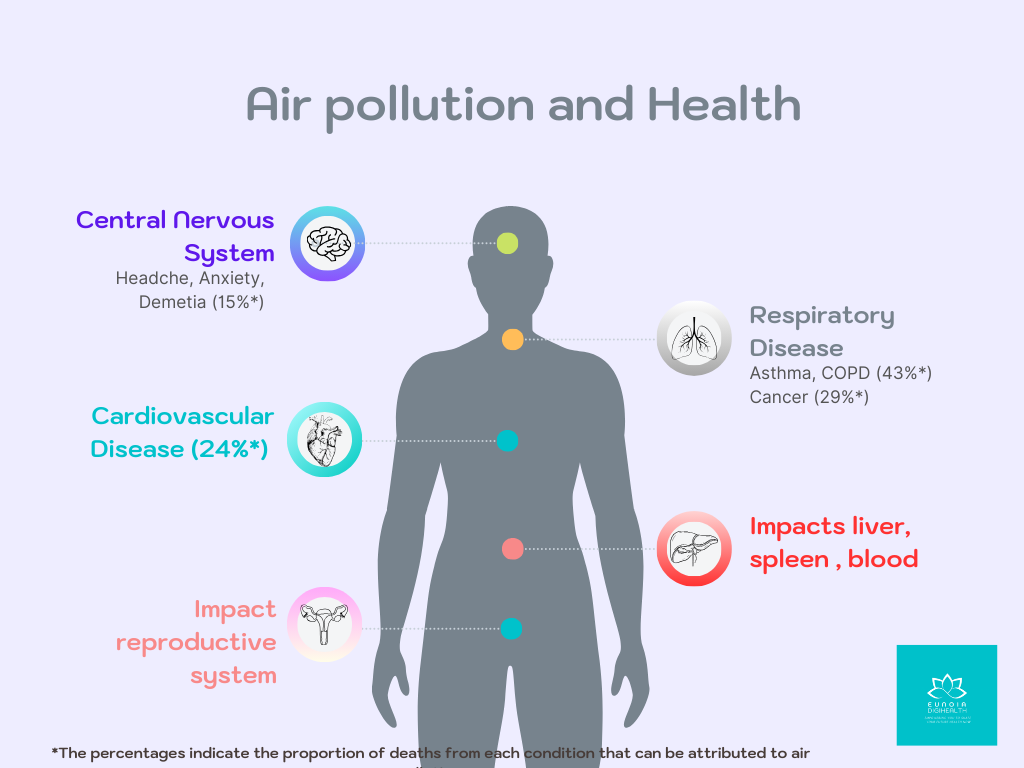
Have you ever wondered how much healthcare costs are attributed to environmental pollution? The World Health Organization (World Health Organization) estimates that approximately 24% of the global disease burden and 23% of all deaths can be attributed to environmental factors. Investing funds currently lost to inefficiencies and wasteful spending into sustainable practices could have a profound impact. For example, redirecting even a fraction of wasteful spending towards environmental sustainability initiatives could significantly reduce the healthcare sector’s carbon footprint, which is responsible for nearly 10% of the U.S. greenhouse gas emissions. These investments could include adopting renewable energy sources, reducing medical waste, and promoting telehealth to cut down on patient travel emissions.
However, a critical question arises: Wouldn’t health consumerism fuel unsustainability? This concern stems from the fear that a consumer-driven approach to healthcare might prioritize unlimited care for the wealthy or encourage unlimited reimbursement, leading to increased resource consumption and environmental degradation. To address this, we need to consider a different approach to health consumerism, one that balances patient needs with sustainable practices.
Key Drivers of Health Consumerism
Several factors are driving the shift towards health consumerism. Understanding these key drivers can help us appreciate how the landscape of healthcare is changing and what it means for patients and providers alike.
- Technology and Digital Health: The proliferation of digital health tools has made it easier for consumers to manage their health proactively. Wearable devices track vital signs in real-time, apps provide personalized health tips, and telemedicine offers convenient access to healthcare professionals. These innovations enhance patient engagement and provide valuable data for providers to deliver more tailored care.
- Transparency and Information Access: Consumers now demand transparency in healthcare costs and quality. Websites and apps that compare prices and patient reviews enable individuals to make cost-effective and informed choices (Health Affairs). This transparency fosters competition among providers, driving improvements in service quality and patient satisfaction.
- Personalization and Patient-Centric Care: Today’s consumers expect healthcare to be as personalized as other aspects of their lives. They seek care plans that consider their unique genetic makeup, lifestyle, and preferences. Personalized medicine, driven by advancements in genomics and data analytics, meets this demand, offering treatments tailored to individual needs (Mitsui).
- Convenience and Accessibility: Convenience is a significant factor in health consumerism. Patients prefer healthcare services that fit seamlessly into their lives, whether it’s through same-day appointments, 24/7 virtual consultations, or home delivery of medications. This shift towards on-demand healthcare reflects broader consumer trends in other industries (Forbes).
The Rise of Artificial Intelligence in Healthcare
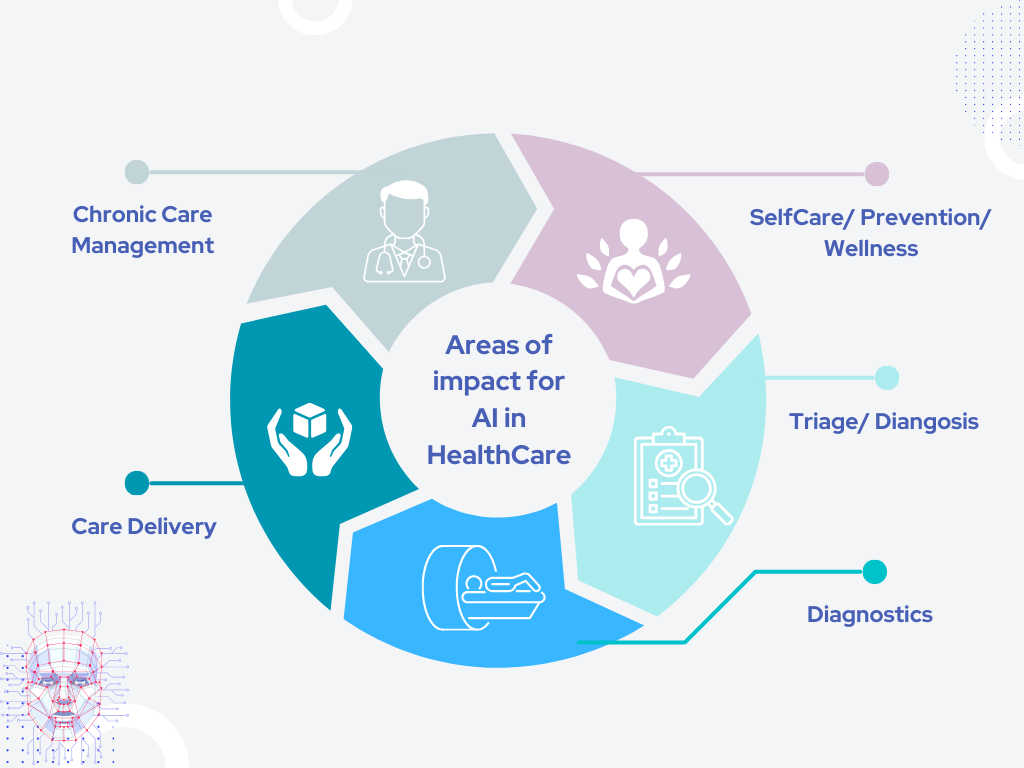
The increasing access to artificial intelligence (AI) is further transforming healthcare by altering how medical practices are conducted. AI can triage simpler problems through automated systems, freeing physicians to focus on more complex cases. AI-powered tools assist in diagnosing conditions, predicting patient outcomes, and personalizing treatment plans based on vast amounts of data. These technologies enhance decision-making processes and support physicians in delivering high-quality care.
Sustainable Health Practices
Incorporating sustainability and environmental considerations into health consumerism is essential for ensuring the long-term viability of healthcare systems. Here are key strategies for achieving this:
Eco-Friendly Health Practices
Encouraging healthcare providers to adopt eco-friendly practices can minimize the environmental impact of healthcare delivery. For instance, Mount Sinai Health System in New York has implemented a comprehensive recycling program, reducing waste by 50% in just two years.
Telehealth and Remote Monitoring
Promoting telehealth and remote monitoring reduces the need for physical travel, thereby lowering carbon emissions. During the COVID-19 pandemic, Kaiser Permanente saw a 200% increase in telehealth visits, significantly reducing the carbon footprint associated with patient travel.
Sustainable Health Products
Encouraging the use of sustainable health products can contribute to environmental sustainability. The Mayo Clinic has started using biodegradable surgical supplies, cutting down on medical waste and its environmental impact.
Natural Biological Products and Gut Health
Transitioning patients from synthetic medications to natural biological products can improve health outcomes and reduce environmental impact. Improving gut health through dietary interventions and probiotics can enhance overall health and potentially decrease reliance on pharmaceutical interventions(NIH).
Public Health and Prevention
Emphasizing preventive care and public health initiatives can reduce the overall healthcare burden, leading to more sustainable health systems. This includes promoting healthy lifestyles, vaccination programs, and early detection of diseases (OASH).
The Path Forward
The shift towards health consumerism is inevitable as patients increasingly seek transparency, convenience, and personalized care. Concurrently, the integration of sustainable practices in healthcare is non-negotiable for ensuring the long-term viability of our health systems and the planet. Health consumerism does not have to fuel unsustainability if we approach it thoughtfully. By emphasizing preventative care, transparency, and the judicious use of resources, we can create a system that provides quality care for all while minimizing environmental impact. This balanced approach challenges the misconception that health consumerism means unlimited care for the wealthy or requires unlimited reimbursement. Instead, it can lead to a more equitable, efficient, and sustainable healthcare future.
 www.eunoiadigihealth.com